







Search Results for: Rose 20 series

Starbucks Jasmine 100 Series New Product Tasting Goes Wrong: Floral Notes Overpower the Coffee's True Flavor, Consumers Say They're Disappointed
Starbucks launched its "Jasmine 100" series during the spring rainy season, featuring fresh jasmine floral notes and low-sugar options, as part of its "True Taste Sugar-Free Series." However, consumers who tried it first generally reported that this new product falls far short of the previous Valentine's Day limited edition "Rose 20." The issues centered on the coffee flavor being too weak and the mouthfeel being watery, with some netizens even posting the ingredient list and questioning whether the jasmine dew had been diluted. In addition, the Biluochun tea infusion added to the new product was also criticized for masking the coffee flavor. Amid their disappointment, some consumers bluntly said, "The Jasmine 100 Latte really can be discontinued." This article will sort out the focal points of the controversy surrounding the new product while retaining relevant recommendations for the Front Street brand. [more…]
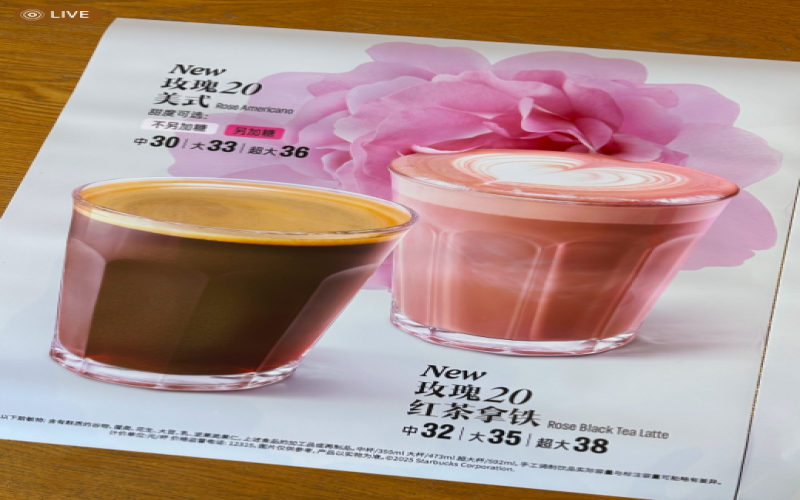
Starbucks Valentine's Day merchandise quality control goes off the rails: rose drinks get mixed reviews, bouquet teddy bear's sloppy looks draw complaints
On the eve of Valentine's Day, Starbucks as usual launched its Rose 20 series drinks and a limited-edition bouquet-holding bear charm. However, reactions this season have been sharply polarized: on the drinks side, the new items use an extract from double-petaled roses, and the sugar-free formula had some consumers praising the natural floral aroma, while others said the scent was too intense and hard to accept; on the merchandise side, the bouquet-holding bear charm drew widespread complaints over quality-control issues, with flaws such as crooked eyes and mouth, a single eye, and multiple ears appearing frequently, leaving many fans who ordered it for its cute look deeply disappointed. What has upset longtime customers even more is that this is already Starbucks' second plush merchandise flop in a short period; the rabbit plush that previously came with a ceramic cup was also widely mocked for its uneven appearance. Will a string of quality problems affect the brand's reputation in the merchandise market? This article will take you through the whole story. [more…]

Costa Rica Canet Estate Musician Series Chopin: Raisin Honey-Processed Yellow Catuai with Osmanthus and Rose Sweet Aroma
This bean from Front Street Coffee comes from the Musician Series of Canet Estate. It is a Yellow Catuai variety processed using the raisin honey method, yet it displays a completely different flavor profile—this is precisely what makes the Chopin coffee so unique. It combines floral and fruity notes, with the rich rose fragrance of a young maiden as well as a sweet, honeyed peach-like inner character, clean yet layered. This article will break down the flavor code of this Chopin bean one by one, from the background of the Costa Rica producing region, the terroir of Tarrazu, an overview of Canet Estate, the raisin honey processing method, and the characteristics of the Yellow Catuai variety, to Front Street's roasting curve and brewing parameters, and will also include actual tasting performance at different water temperatures for coffee lovers' reference. [more…]

Starbucks Valentine's Day Rose Latte Art Assessment: Baristas Say the Difficulty Is Off the Charts, Abstract Designs Keep Appearing in Stores
During Valentine's Day, Starbucks launched the Rose 20 series of limited-edition drinks and showcased several exquisite rose latte art pieces on its official WeChat account, sparking anticipation among many customers. However, in reality, the latte art produced by some stores was far from the promotional images, with abstract patterns leaving consumers astonished. Behind this is an internal Starbucks skill assessment called "Rose Certification," which has left many baristas complaining bitterly. From novices to seasoned staff, some diligently practiced and eventually succeeded, while others gave up and sought alternative methods. This article will take you through the entire rose latte art controversy and the genuine reflections of baristas during their practice. [more…]

Costa Rica Musician Series Chopin Coffee Bean Flavor Analysis and Pour-Over Sweetness Enhancement Techniques
A new member joins the Costa Rica Musician Series—Chopin coffee beans. Hailing from Canet Estate, this bean is renowned for its rose aroma and pronounced sweetness. This article provides a comprehensive analysis of the flavor code of Chopin coffee beans, covering the terroir of the producing region, the raisin honey processing method, the characteristics of the Yellow Catuai variety, the roasting curve, and cupping performance. At the same time, Front Street Coffee shares pour-over parameters and staged extraction techniques, and compares the flavor differences at water temperatures of 92°C and 90°C, helping coffee enthusiasts find the best brewing method to enhance sweetness, allowing the rose-like sweet fragrance of this Chopin to bloom fully in the cup. [more…]

Costa Rica Baja Coffee Bean Flavor Analysis: Raisin Honey Processing and Musician Series Brewing Guide
Front Street Coffee presents the Costa Rica Musician Series Bach coffee beans, from the Canet Estate in the Tarrazú region, using the raisin honey process and the Yellow Caturra variety, at an altitude of 1,900 meters. This bean is known for its rich, solid red wine fermentation character, with the aroma of ripe grape fermentation accompanying it from dry fragrance to aftertaste, while rose floral notes and berry juice emerge in the middle. The flavor is steady and solemn yet with a sense of splendor. This article introduces in detail its regional background, processing method, and variety characteristics, and shares Front Street's roasting curve, cupping report, and staged brewing parameters, taking you to experience this "Air on the G String in the mouth." [more…]
Costa Rica Musician Series Bach Coffee Beans: Flavor Analysis of the Raisin Honey Process and Yellow Catuai Variety
At Hacienda Canet in the Tarrazú region of Costa Rica, a musician-series coffee bean named Bach is unforgettable for its rich, solid fermented flavor. This bean uses a unique raisin honey process, retaining 100% mucilage with zero water processing, and combined with the high-altitude growing advantages of the Yellow Catuai variety, it presents a wine-like fermented sensation, the sweet-tartness of red berries, and rose floral notes. Through cupping and brewing, Front Street Coffee found that from dry aroma to aftertaste, the fermented scent of ripe grapes runs throughout, while a medium-light roast better preserves the captivating floral aroma and high sweetness. This article will deeply analyze the origin background, processing method, roasting curve, and brewing parameters of Bach coffee beans, taking you to appreciate the complete character of this "Air on the G String in the mouth." [more…]
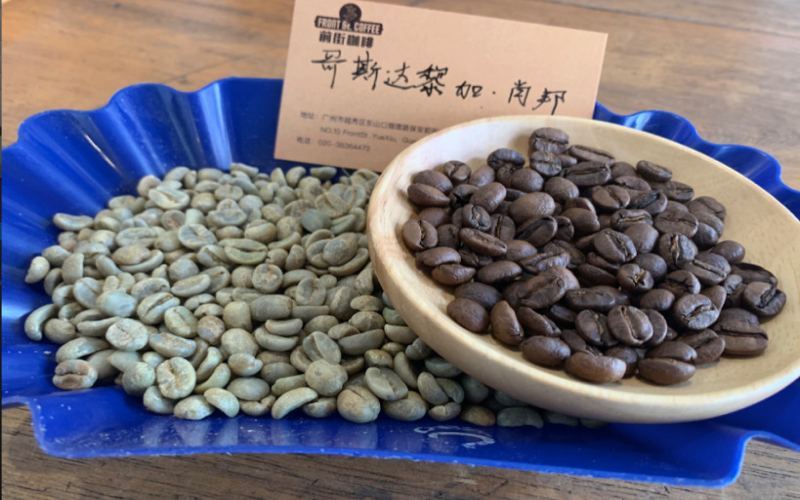
Costa Rica Canet Estate Chopin Coffee: Four Pour-Over Brewer Methods and Flavor Comparison
Front Street Coffee has recently added Chopin coffee beans from Costa Rica's Canet Estate to its lineup. After joining the Musician Series, this bean has drawn attention for its prominent rose aroma and sweetness in cupping. To investigate how different brewing devices affect the flavor expression of this bean, Front Street Coffee conducted four comparative brews using the Hario V60, Ice Eye dripper, Strawberry dripper, and Origami dripper. This article focuses on the structural characteristics of these four drippers, the parameters and brewing techniques used for each, and the resulting differences in aroma, acidity, sweetness, and finish, helping coffee enthusiasts find an extraction approach better suited to their own taste. [more…]
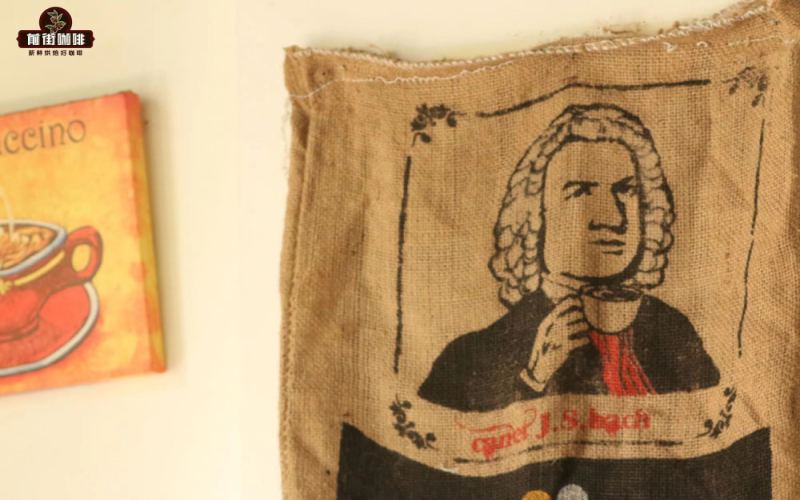
Costa Rica Canet Estate Musician Coffee: An Analysis of the Flavor Processing Differences Among Four Beans Including Beethoven and Mozart
Front Street Coffee takes you deep into Costa Rica's Tarrazú region, to Cafetín de Canet Estate, to explore a coffee series named after classical musicians. The estate uses Caturra and Catuai varieties, processed through raisin honey or washed methods, to create four distinctive specialty coffees: Bach, Beethoven, Chopin, and Mozart. Beethoven is washed, presenting clean and refreshing acidity of green grapes, strawberries, and citrus; Mozart and Bach use raisin honey processing, with prominent fermented aromas and tropical fruit notes, a full body, and ample sweetness. This article not only analyzes the flavor codes of each bean variety but also shares Front Street roasters' exclusive roasting curves and brewing suggestions, helping you fully understand the charm of the Musician Series. [more…]
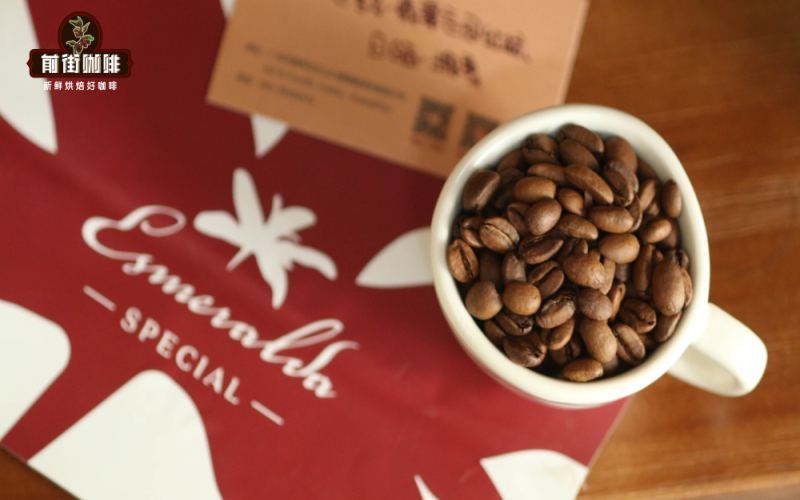
A Roundup of Flavor Profiles and Signature Beans from the World's Top Ten Coffee-Producing Countries: From Panama Geisha to Yunnan Sun-Dried Typica
Coffee is one of the world's three major beverages, but the coffee tree has quite demanding growing conditions: it must be located near the equator, between 15 and 25 degrees north and south of the tropics, and it also requires sufficiently high altitude, a cool climate, and abundant rainfall. About 50-plus countries around the world are able to grow coffee, and coffee from different origins has its own strengths in quality, taste, and mouthfeel. In this article, Front Street Coffee will review ten representative coffee-producing countries and their signature beans, covering Panama Hacienda La Esmeralda Geisha, Ethiopia Sidamo Flower Chief, Jamaica Blue Mountain, Kenya Asalia, Indonesia Golden Mandheling, Colombia Rose Valley, Brazil Queen's Farm, Honduras Sherry, Costa Rica Musician Series, and Front Street 2013 Yunnan Small-Bean Natural Typica, taking you through the flavor characteristics and stories behind each origin at once. [more…]
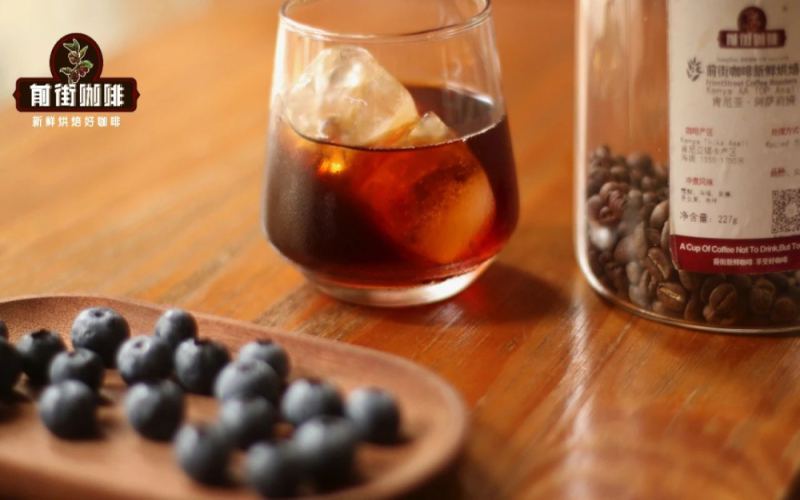
The Complete Guide to Cold Brew Coffee: Brewing Methods, Ratios, Times, and Bean Recommendations
Cold brew coffee is simple to make—just mix water and ground coffee, refrigerate, and let time complete the extraction. This article details Front Street Coffee's cold brew method, including using 50 grams of ground coffee as the base, a grind size with 85% passing through a No. 20 sieve, a coffee-to-water ratio of 1:12, adding 400 milliliters of room-temperature water and 200 grams of hard ice cubes, refrigerating for 12-24 hours, then filtering and refrigerating for another 4 hours. It also explains that cold brew should use coffee beans past their resting period, and recommends three types of beans with different flavor profiles—fresh floral-fruity, citrus-berry, and delicate honeyed—covering specific products such as Geisha, Huakui, Huayueye, Rose Valley, and Mozart. [more…]
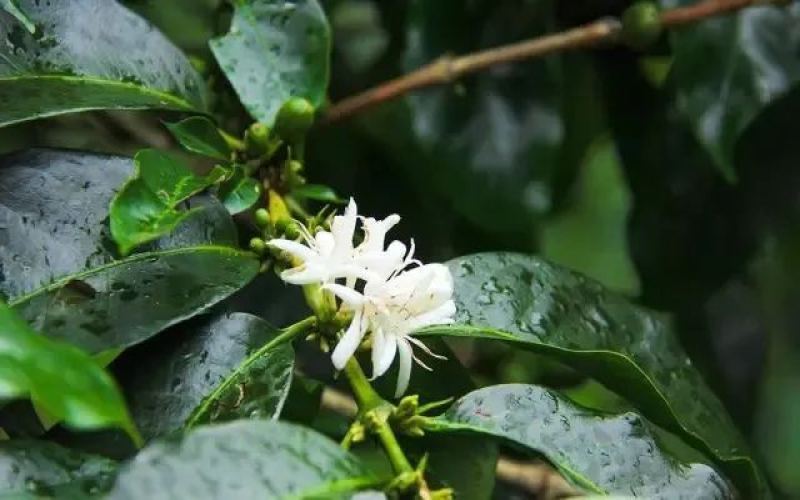
A Complete Guide to Geisha Coffee Flavor: From Origin to Cold Brew Practice, Front Street Geisha Series Recommendations
Geisha, once an obscure coffee variety, is now a shining star in the specialty coffee world. From the primitive forests of Ethiopia to the award-winning estates of Panama, Geisha has conquered countless coffee lovers with its bright floral and fruity aromas and clean, sweet taste. This article will take you deep into the origin story of Geisha, its cupping flavor characteristics, and the features of product lines such as Front Street Coffee Boquete Geisha, Emerald Red Label, and Butterfly. In addition, we will share a summer-appropriate Geisha cold brew tutorial, from grind size and coffee-to-water ratio to steeping time, teaching you step by step how to make a cup of cold brew coffee overflowing with floral fragrance. [more…]
Cold Brew Coffee Bean Selection Guide: From Brewing Process to Front Street Single-Origin Bean Flavor Recommendations
Cold brew coffee has a low barrier to entry: simply combine water and coffee grounds, seal, and refrigerate—then leave the rest to time. This article first outlines Front Street Coffee's cold brew parameters, including coffee dose, grind size, coffee-to-water ratio, steep time, and the steps for filtering and refrigerating. It then explains bean selection based on cold brew extraction characteristics, recommending beans that have passed their resting period. Finally, organized by three flavor directions—fresh floral and fruity, citrus and berry, and delicate honeyed—it introduces the Geisha, Butterfly, Huakui 5.0, Natural Red Cherry, Flower Moon Night, Rose Valley, Mozart, and other single-origin beans on Front Street's bean list that are suitable for cold brew, along with their flavor profiles, making it easy for coffee lovers to choose according to taste. [more…]

Top Ten Colombian Coffee Brands Reviewed: Front Street Explains the Flavors and Brewing of Specialty Beans Including Huila, Flower Moon Night, and Rose Valley
As a major coffee country in northwestern South America, Colombia benefits from a mild climate and diverse terrain, with coffee harvests occurring year-round, and its Arabica beans are renowned for being rich and well-balanced. From the classic three major regions of Medellín, Armenia, and Manizales to Huila and Cauca, which have gained attention in recent years, Colombian coffee displays rich layers of flavor. Front Street Coffee has selected a variety of Colombian single-origin coffees, covering washed, anaerobic natural, double enzyme washed, barrel fermented, and decaf processing. This article analyzes one by one the origin, variety, processing method, and flavor of beans such as Huila, Flower Moon Night, Rose Valley, Sakura, Decaf, and San Jose Estate, and also includes V60 pour-over parameters and pouring techniques to help enthusiasts fully understand the diverse charm of Colombian coffee. [more…]
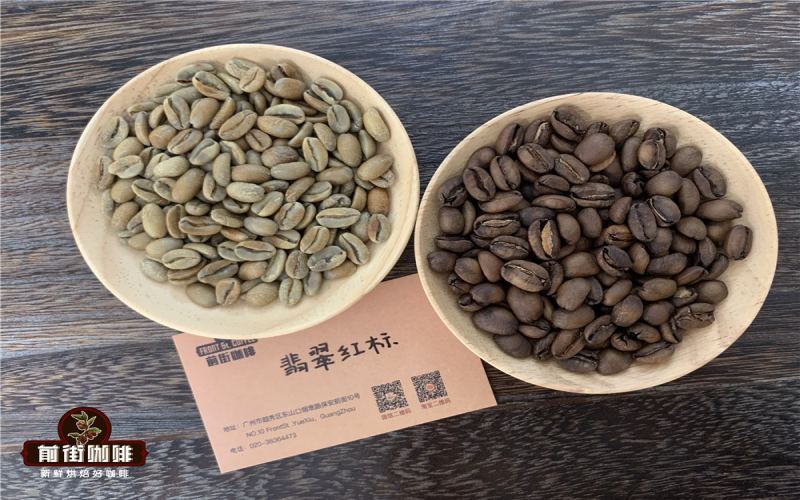
Panama Hacienda La Esmeralda Geisha Pour-Over Parameters Explained | Brewing Guide for Geisha from Different Regions
Geisha coffee rose to fame at Hacienda La Esmeralda in Panama and became popular worldwide for its delicate floral aroma and elegant fruity acidity. This article covers the origin of the Geisha variety, Hacienda La Esmeralda's red, green, and blue label grading system, and the flavor differences of Geisha from producing regions such as Costa Rica, Ethiopia, and Colombia. It focuses on answering questions about pour-over parameters for Panama Esmeralda Special Geisha, including water temperature, coffee-to-water ratio, grind size, and staged extraction techniques, and includes Front Street Coffee's brewing recommendations and flavor descriptions. It is a useful reference for coffee enthusiasts who want to gain a deeper understanding of brewing Geisha. [more…]
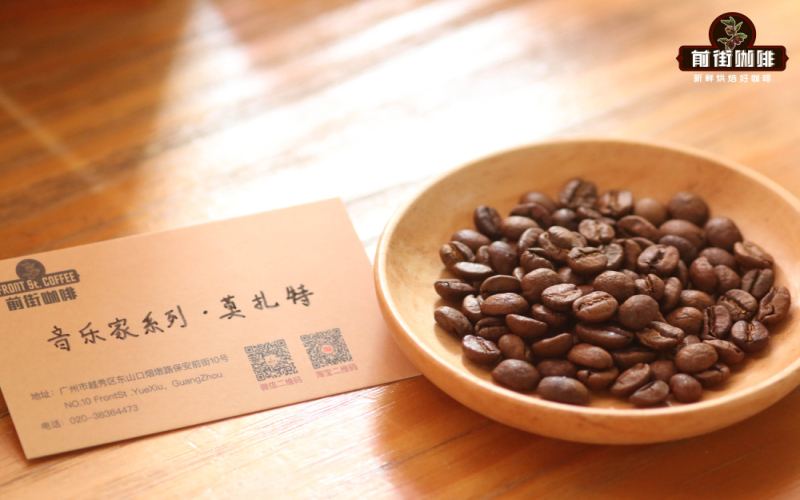
Front Street Costa Rica Mozart Coffee Flavor Analysis: Raisin Honey Processing Characteristics and Pour-Over Parameters, Water Temperature, and Coffee-to-Water Ratio Guide
Front Street Costa Rica Mozart coffee is a classic in the Musician series, known for its pleasant floral aroma and clear dried-fruit sweetness. This article starts from the origin background of the Musician series, sorts out the cultivation and processing methods of Canet Estate, focuses on comparing the differences between raisin honey processing and regular honey processing, and explains the flavor layers of osmanthus, grape, berry, rose tea, and more that this bean presents in cupping. The brewing section revolves around the two key variables of water temperature and grind size, and, combining Front Street’s roasting approach with store parameters, provides a complete three-stage pouring procedure to help coffee lovers stably brew Mozart’s sweet fruity flavor and clean acidity at home. [more…]
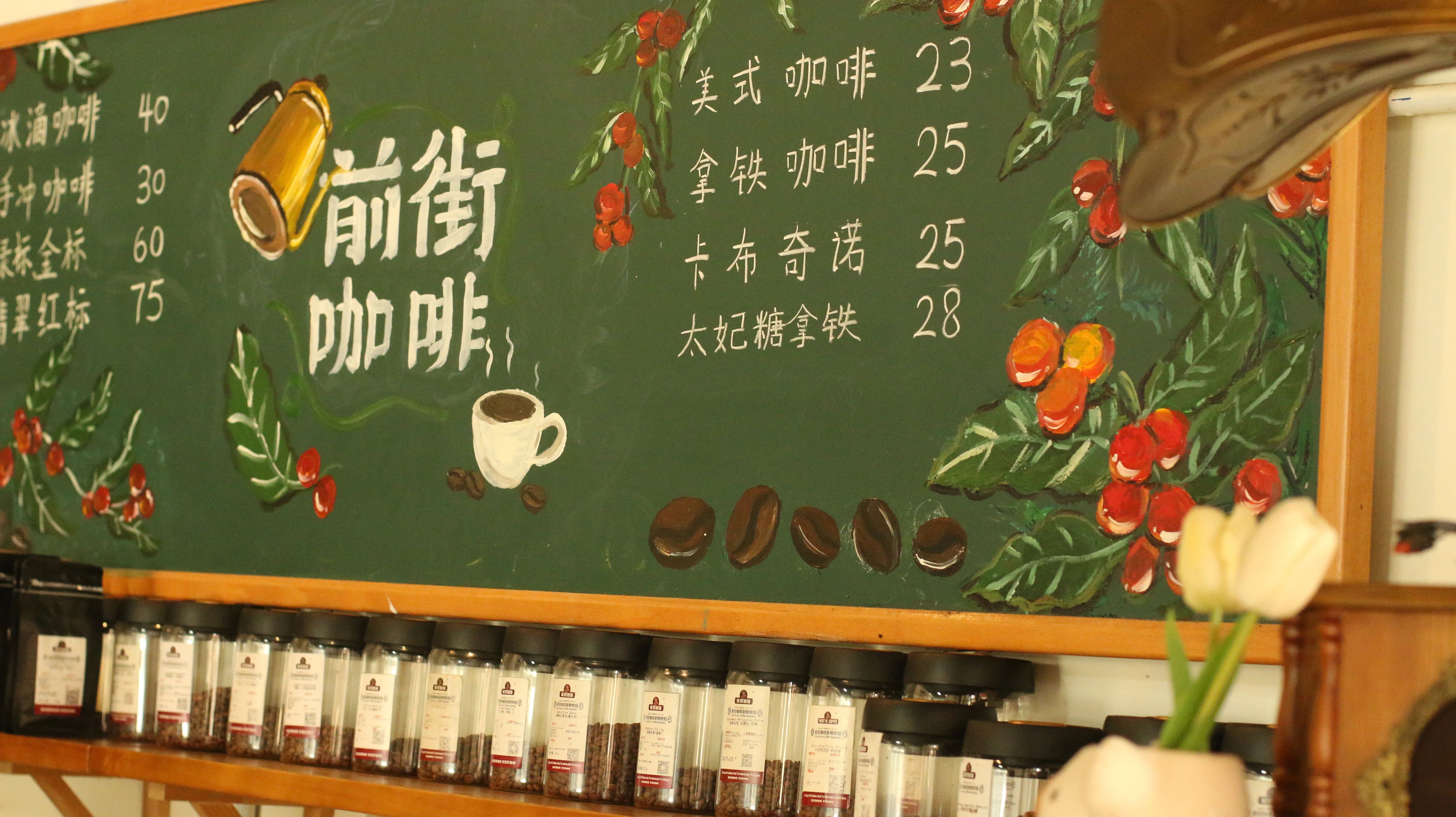
Front Street Coffee
Costa Rica has always been famous for its sweetness, and the Musician Series on Front Street Coffee's bean list pushes that sweetness to the extreme. This series mostly uses honey processing and has been described by customers as "floral and fruity aromas, sweet as honey." This article will start with the principles of honey processing, outline the background of Canet Estate, introduce one by one the growing regions, varieties, altitudes, processing methods, and flavor differences of the three beans Mozart, Beethoven, and Bach, and include Front Street Coffee's V60 brewing parameters and actual tasting notes. Finally, it will also mention the Blueberry Bean from the Brunca region as a supplementary option. Whether you want to understand the characteristics of Costa Rica's growing regions or want to try the Musician Series for comparison, you will find useful information in this article. [more…]
Costa Rica Light Roast Pour-Over Guide: Water Temperature, Grind, and Musician Series Flavor Analysis
Costa Rica is hailed as the sweetest coffee-producing origin in the Americas, and the Front Street Musician Series originates from this very place. This article begins with the honey processing method and guides you through the varieties, altitudes, and processing differences of three beans from Canet Estate—Mozart, Beethoven, and Bach—along with Front Street's complete pour-over parameters: V60 dripper, 91°C water temperature, 1:15 coffee-to-water ratio, 15g dose, and a 2-minute extraction plan. Same estate, different varieties and altitudes—where exactly do the flavors differ? A bean-by-bean comparison of dry and wet aromas, with fermented fruit notes and tea-like qualities each having their own strengths. At the end, we also recommend the Blueberry coffee bean from the Brunca region with anaerobic heavy honey processing, suitable for both hot and iced brewing. [more…]
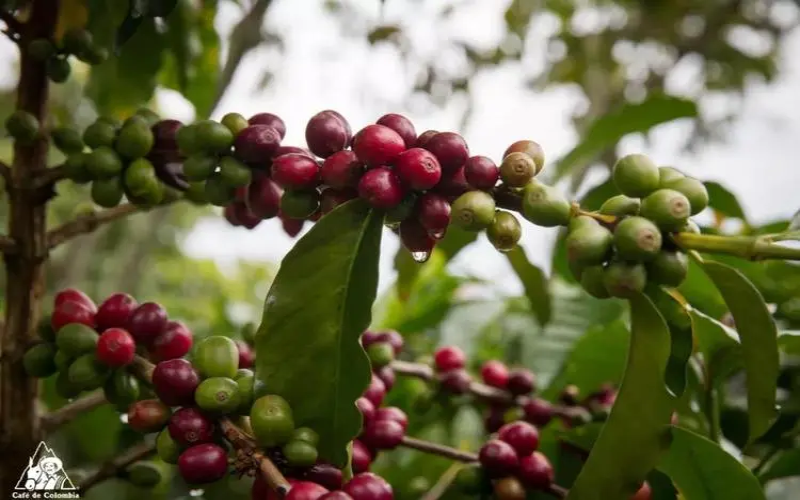
Colombia Santander Region Big Tree Estate Rose Valley Coffee Beans: Origin, Variety Characteristics, and Brewing Flavor Analysis
Colombia is located in northern South America, bordering the Pacific Ocean to the west and the Caribbean Sea to the north. The Andean region in the west has high altitudes, volcanic soil, and abundant rainfall, with diverse microclimates. It is recognized as a high-quality coffee-producing region and is the world's third-largest coffee producer. Coffee was introduced in the late 18th century by Jesuit priests among the Spanish colonists, and was first cultivated in the departments of Santander and Boyacá. The Santander producing region is located in the northern Andes Mountains of Colombia, at an altitude of about 1,400-1,700 meters. It is one of the earliest coffee-growing areas in Colombia, known for its strong flavor, long finish, and unique fresh herbal notes. Hacienda El Roble is a rare single-variety plantation in the area. The Front Street Colombia Rose Valley coffee beans sourced by Front Street Coffee come from this estate, using anaerobic enzyme washed processing and medium roasting, presenting flavors of rose, liqueur chocolate, berries, cranberries, and white peach. [more…]
An Analysis of Costa Rica's Eight Major Coffee Regions: Front Street Coffee Musician Series Mozart, Beethoven, and Bach Pour-Over Flavor Comparison and Recommendations
Costa Rica is renowned for its honey processing and is called by many coffee lovers the sweetest producing region in the Americas. Front Street Coffee's Musician Series—Mozart, Beethoven, and Bach—all come from Hacienda Canet in the Tarrazú region, yet present completely different flavors due to differences in variety, altitude, and processing method. This article systematically reviews Costa Rica's eight major producing regions, explains the difference between honey processing and raisin honey processing, and introduces one by one the regional information, flavor characteristics, and pour-over performance of the three beans, with Front Street's brewing parameters and tasting notes attached. It is suitable for enthusiasts who want to gain a deeper understanding of Costa Rican coffee. [more…]